

| Retinol for beginners means starting with 0.025%–0.1% concentration, once a week, and increasing gradually. Pair it with a moisturiser before or after retinol, and never skip sunscreen for retinol days. Most users see real results in 8–12 weeks. Tretinoin (prescription-strength) may work faster — around 6–8 weeks. |
If you have ever found yourself in a beauty aisle, looking at a retinol serum and wondering where to start, you are definitely not alone. Retinol can be intimidating for beginners, but it doesn’t have to be this way. Here you will find step-by-step instructions on how regularly to apply retinol, what actual skin changes after retinol look like and the correct way of pairing a moisturizer with retinol either before or after. No filler, no guessing, just a straight and simple expert-supported regimen you can do as early as tonight.
What Is Retinol and Why Should You Add It to Your Skincare Routine?
Retinol is basically a type of vitamin A that can help your skin cells change more quickly. The way it does this is by pushing those new, healthy cells up to the surface at a faster pace. With just this one move, it can greatly diminish the appearance of small wrinkles, dark spots, blocked pores, and uneven skin texture quite effectively. In fact, retinol is probably the most thoroughly studied anti-aging ingredient that you can obtain without a doctor’s prescription.
Retinol really is a powerhouse ingredient that delivers multiple benefits to the skin.
- Stimulates collagen production: Its primary function is to stimulate the skin to produce more collagen over time, which is one component that helps the skin maintain its plumpness and firmness.
- Accelerates cell renewal: At the same time, it changes the skin by helping dead skin cells get sloughed off faster so that the new, brighter, and smoother skin is revealed.
- Unclogs pores: One of the benefits obtained by this faster rate of skin cell turnover is how it helps to eliminate blackheads and prevent the occurrence of breakouts. Shedding, retinol naturally clears blackheads and prevents breakouts.
- Reduces hyperpigmentation: It also helps to slow down the cloning of skin cells, which appear as dark spots, and they will gradually become less visible when newer, more uniformly pigmented skin is brought up to the surface.
- Softens fine lines: The combination of new collagen and an increase in the thickness of the living skin layers results in the lines becoming shallower and less noticeable over time.
You can think of retinol as a way to invest in your skin’s future. The outcomes won’t be immediate, but they’re genuine, backed by science, and will stand the test of time as far as anti-aging benefits are concerned when you use retinol regularly.
How Often to Use Retinol — The Beginner’s Schedule
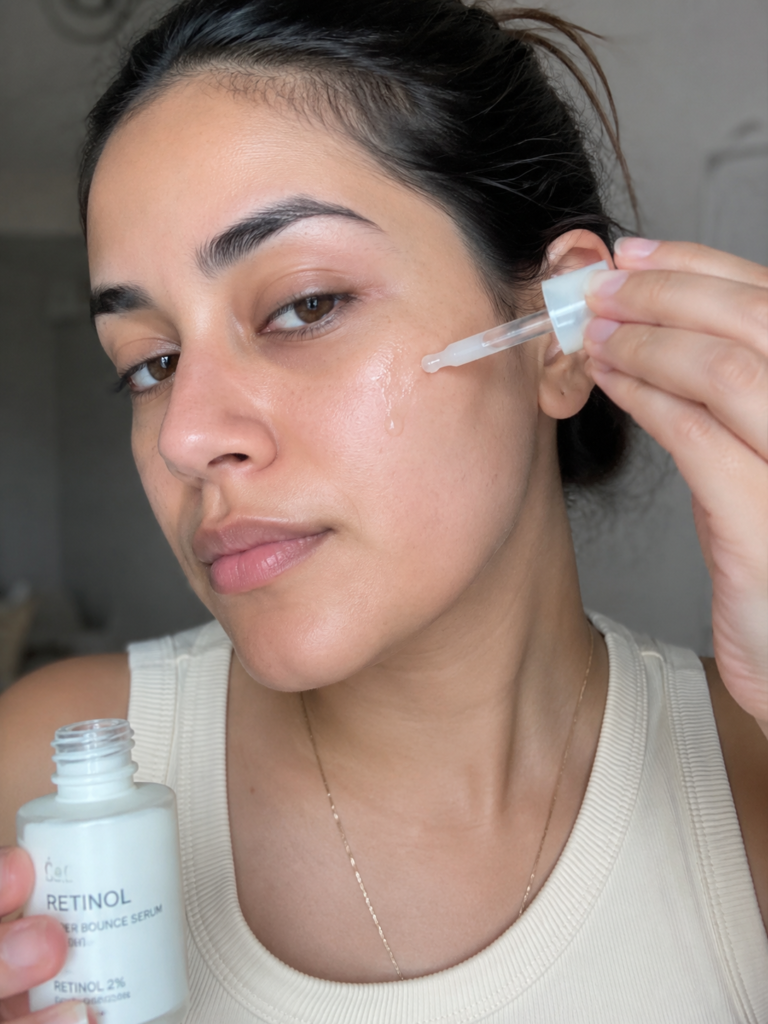
This is the most common question, and the most important one to get right. If you use a great amount of retinol from the beginning, your skin might show some reactions such as redness, peeling, and sensitivity. The best way to use it for the first time is to start with low doses and slow progress.
Week 1–2: Once a Week
Apply retinol just once a week on clean, dry skin. (Your skin is going to need some time to get used to the new ingredient.) Even if, at the end of the first week, your skin seems normal, do not forget about the rule of progression. It means that you should increase the frequency of usage over time and expect some skin reactions. And as much as you will be patient now, the skin will be more cooperative later.
Week 3–4: Twice a Week
If, after week two, you have no reaction, you can try to use the retinol two times per week. Between one session and another, leave two to three days at least. After applying a product, your skin barrier needs time to recover and become strong.
Week 5–8: Every Other Night
At that time, many beginners find that the skin’s tolerance for retinol is sufficient to use it every other night. Your complexion should be clearer, and your skin should be smoother. It is advisable to maintain this level of use until you are completely comfortable with it before you decide to raise the concentration.
Beyond 8 Weeks: Nightly Use (If Tolerated)
Those who have been using retinol regularly and have gained a strong tolerance to it may choose to use it nightly. On the other hand, a lot of dermatologists think that using it every other night is still very effective and is also much less damaging to the skin barrier in the long run.
Pro Tip: Always use retinol at night. (Retinol is rapidly destroyed by UV light, which results in the loss of its effectiveness.) This leads us to the next sine qua non sunscreen.
Sunscreen for Retinol: The Rule You Cannot Break
Using retinol without daily sunscreen for retinol days is like taking one step forward and two steps back. Retinol makes your skin more photosensitive, meaning UV rays damage your freshly renewed skin cells more easily.
Here is what to look for in a sunscreen when you are using retinol:
- SPF 30 minimum: SPF 50 is even better for daily retinol users.
- Broad-spectrum protection: This means protection against both UVA (aging) and UVB (burning) rays.
- Non-comedogenic formula: Especially important if you are using retinol to address acne or clogged pores.
- Lightweight texture: You are already using retinol, so a heavy sunscreen on top can feel suffocating. Look for gel-based or fluid formulas.
Great options include EltaMD UV Clear SPF 46, La Roche-Posay Anthelios Fluid, and Neutrogena Hydro Boost Water Gel SPF 50. Apply it every single morning — rain, indoors, or sunshine. No exceptions.
Moisturizer Before or After Retinol? The Answer Might Surprise You
The question of moisturizer before or after retinol has a real answer backed by dermatology. And the approach you choose changes everything about how your skin tolerates retinol.
The Sandwich Method — For Sensitive Skin
Apply a thin layer of moisturizer first, wait two minutes, then apply retinol. This is called the retinol sandwich method. The moisturizer acts as a buffer, slowing retinol’s absorption and reducing potential irritation. It is ideal for beginners and those with dry or sensitive skin.
Retinol First, Moisturizer After — For Normal/Oily Skin
If your skin is not particularly sensitive, apply retinol on clean, dry skin first. Wait five minutes for it to absorb, then layer your moisturizer on top. This method allows retinol to interact directly with your skin cells without a barrier, making it slightly more potent.
Whichever method you choose, one key moisturizer ingredient works beautifully alongside retinol:
- Hyaluronic acid: Deeply hydrating without clogging pores. Ideal for under or over retinol.
- Ceramides: Strengthen the skin barrier, which retinol can temporarily weaken.
- Squalane: Lightweight oil that locks in moisture without causing congestion.
- Avoid: Vitamin C, AHAs, BHAs, or benzoyl peroxide in the same routine as retinol. These combinations cause unnecessary irritation.
Before and After Retinol: What Real Results Actually Look Like
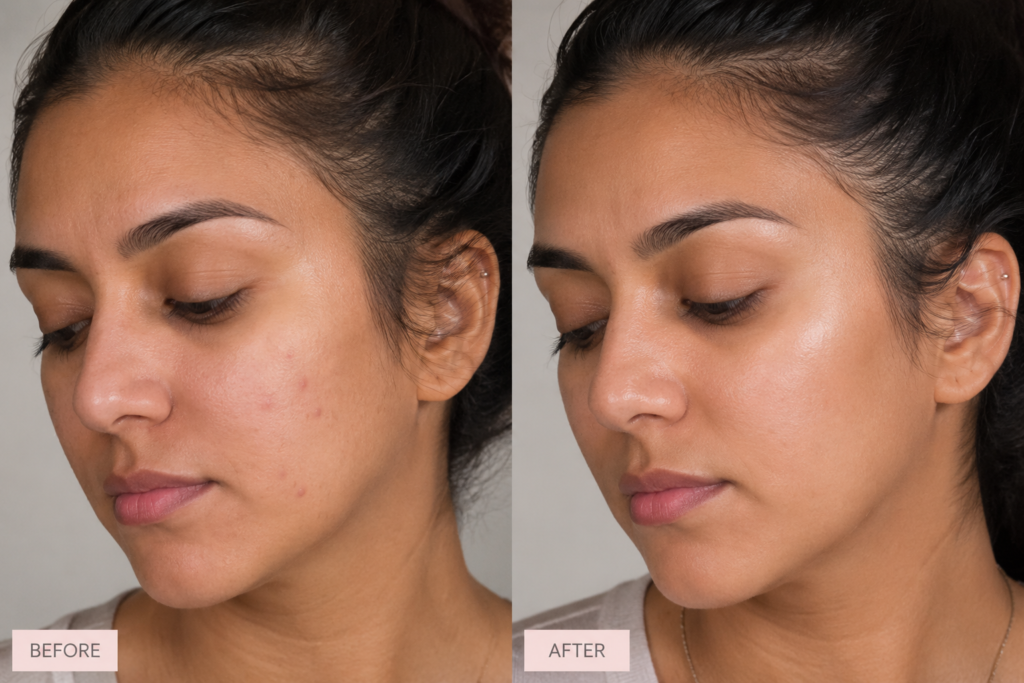
Real before-and-after retinol results do not happen in two weeks. Here is an honest, research-backed timeline of what to expect at each stage:
Weeks 1–4: The Adjustment Phase
Your skin may look worse before it looks better. Mild peeling, slight dryness, and what feels like breaking out (actually skin purging) can happen in the first month. This is normal. Stick with it.
Weeks 4–8: First Visible Changes
Pores appear smaller. Skin texture smooths out noticeably. Dark spots begin to lighten. If you have acne, fewer breakouts start appearing. You will not see dramatic wrinkle reduction yet, but your skin will feel different — more refined and even.
Weeks 8–12: The Glow-Up Begins
This is the stage where retinol before and after wrinkles results become visible. Fine lines soften. Skin looks brighter and more youthful. Sun spots fade noticeably. Many users report their skin looks like a filtered version of itself — clearer, more even, and genuinely younger-looking.
3–6 Months: Full Transformation
At this stage, retinol before and after 3 months images show real, dramatic skin improvements. Deep wrinkles have softened. The skin tone is more even. Pores look visibly smaller. Most dermatologists consider this the point where retinol has properly remodelled the skin structure.
Retinol Concentration Comparison: Which Strength Is Right for You?
Use this table to quickly match your experience level to the right retinol strength and routine:
| Feature | Beginner (0.025%–0.1%) | Intermediate (0.3%–0.5%) | Advanced (0.5%–1%) |
| Frequency | Once a week | 2–3x a week | Every other night / nightly |
| Best For | First-time users, sensitive skin | 6+ months of retinol use | Experienced users, prescription-grade |
| Skin Purging? | Minimal | Moderate possible | Common initially |
| Visible Results | 8–12 weeks | 6–8 weeks | 4–6 weeks |
| Example Products | The Ordinary 0.1%, Paula’s Choice | CeraVe Resurfacing, RoC | Tretinoin (Rx), SkinCeuticals |
| Pair With | Gentle moisturizer + SPF | Niacinamide + SPF | Barrier repair + SPF |
| Does Retinol Expire? | Yes — 12 months opened | Yes — check packaging | Yes — store in cool, dark place |
How Long Does Tretinoin Take to Work vs. Over-the-Counter Retinol?
One of the most searched questions in skincare is: How long does tretinoin take to work? Tretinoin is a prescription-strength retinoic acid — it is the active form of vitamin A that your skin uses directly. Retinol, on the other hand, needs to be converted by your skin first.
- Tretinoin (Rx): Visible results in 6–8 weeks. Full transformation in 3–4 months. More effective but requires a prescription and medical guidance.
- OTC Retinol (0.025%–1%): Results visible at 8–12 weeks. Safer for unsupervised use. Ideal for beginners and long-term maintenance.
- Retinaldehyde: A middle ground between the two. More potent than retinol, gentler than tretinoin. Available over the counter in some regions.
If you are starting with retinol and seeing results, you likely do not need tretinoin. However, if you are targeting deep wrinkles, severe acne, or melasma, a dermatologist consultation for tretinoin is worth exploring. You can also learn more about the differences at verified dermatology resources like American Academy of Dermatology for medically reviewed guidance.
Does Retinol Expire? What You Need to Know Before Using It
Does retinol expire? Yes, absolutely. Retinol is notoriously unstable. It degrades when exposed to light, air, and heat. An expired or poorly stored retinol is not just less effective — it can also cause unexpected skin reactions.
Here is how to keep your retinol effective for longer:
- Check the PAO symbol: The small open-jar icon on packaging shows how many months the product is safe to use after opening. Most retinol products are good for 12 months.
- Store it correctly: Keep retinol in a cool, dark drawer or cabinet. Bathroom shelves exposed to steam and heat are the worst storage spots.
- Choose airtight packaging: Pump bottles are far better than open jars. Less air exposure means slower degradation.
- Signs of expiry: Colour change (from pale yellow to dark yellow or orange), unusual smell, or a change in texture. If you notice any of these, replace them.
Buying retinol products in larger sizes might seem economical. But if you cannot finish them within 12 months of opening, a smaller, fresher bottle is always the smarter choice.
| Should You Start Using Retinol? Here Is Our Honest AnswerYes — if you are 25 or older and concerned about fine lines, uneven texture, dark spots, or acne. Retinol is one of the most clinically validated skincare ingredients available. Start with a 0.025%–0.1% concentration, use it once a week, always follow with SPF, and give it a full 12 weeks before judging results. No — if you are pregnant, breastfeeding, or have extremely compromised skin. In these cases, consult your dermatologist before starting any retinoid. Recommended starter products: The Ordinary Retinol 0.1% in Squalane, Paula’s Choice 1% Retinol Booster (for advanced users), CeraVe Skin Renewing Retinol Serum. |
Frequently Asked Questions About Retinol
A: Start it once a week for two weeks. Then slowly increase it to twice a week and then every other night or so in 6–8 weeks. Do never rush it. Slow and steady wins the race. Build it up slowly.
A: Yes. If you have sensitive skin, moisturize first; this is the retinol sandwich method. If normal or oily skin, it makes sense to apply retinol before moisturizing on clean, dry skin and then moisturize after five minutes. Both ways are valid and approved by dermatologists.
A: After four weeks, expect mild purging and improved texture. At week 8–12, expect retinol before and after to be visible, softer and less noticeable lines, brightness improvement and reduction in dark spots or blemishes. You won’t see a full dramatic change until 3–6 months in, when collagen remodelling has taken place.
A: Tretinoin acts faster because it is the active retinoic acid form your skin requires, so you will see results in 6–8 weeks. With over-the-counter retinol, it takes 8–12 weeks because your skin needs to convert it first. Both are effective; tretinoin needs a prescription.
A: Yes, retinol does expire, usually 12 months after opening. It has gone bad if it has a darker yellow-orange tint, an odd odour, or a different consistency. Store retinol in a cool, dark place in airtight packaging to maximize its shelf life.
A: Pick a non-comedogenic, lightweight broad-spectrum SPF 30–50 sunscreen. Do not skimp on it, as retinol makes your skin a lot more sensitive to the sun. Recommended brands include EltaMD UV Clear SPF 46, La Roche-Posay Anthelios, and Neutrogena Hydro Boost SPF 50. Apply it every morning.
Transform your skin by beginning low and staying consistent
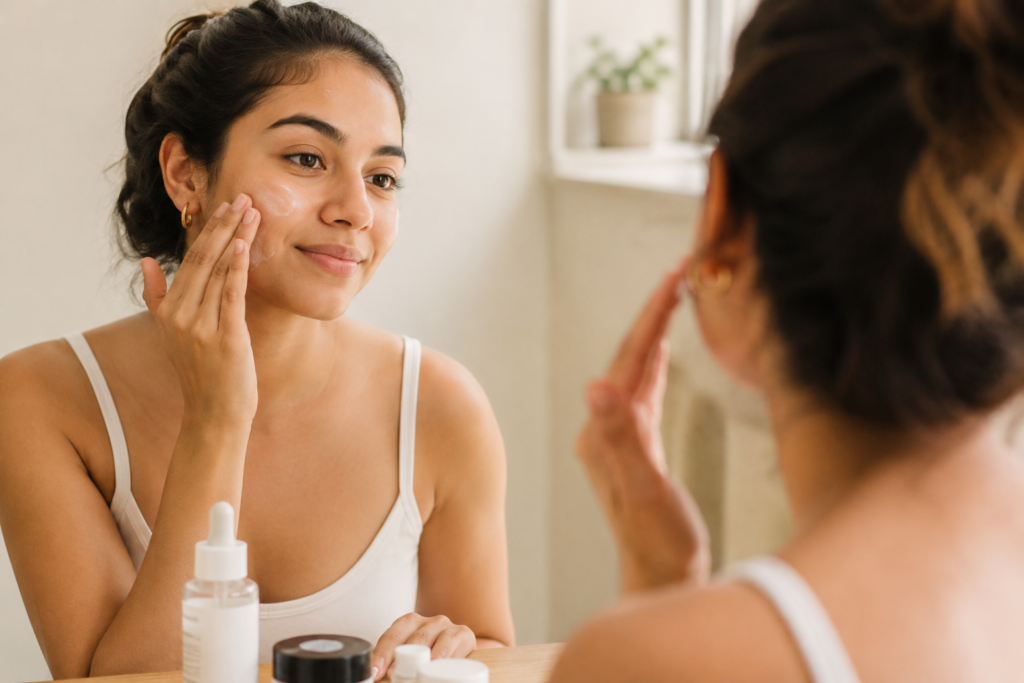
Getting started with retinol doesn’t have to be confusing. The most important thing is to start low, go slow, and stay consistent. Whether you choose a mild 0.025% product or eventually lead up to prescription tretinoin, science confirms: when used correctly over a period, retinol really changes the skin.
Do not forget the basics: always combine your retinol with the appropriate sunscreen, depending on your type of skin, use moisturizer either before or after retinol, and allow at least 12 weeks for the first changes. Also, keep your product in a proper place, find out whether retinol has expired, and avoid using it with strong active compounds.
At this point, you are fully equipped to embark on your retinol journey fearlessly. Save this manual, pass it on to someone who is new to it, and revisit it whenever you feel like a refresher. Your future skin is going to be grateful that you started today.
Get your mild retinol serum now, don your SPF the next day, and pledge for 12 weeks. Your radiant skin is just around the corner, tag a friend who is retinol-curious and kick off the change together!
Disclaimer
The information provided in this blog is for educational and informational purposes only. It is not intended as medical advice. Always consult a qualified dermatologist or healthcare professional before starting any new skincare treatment, especially if you have sensitive skin, are pregnant, or have any existing skin conditions. Individual results may vary. Product mentions are not paid endorsements.